Table games, no beating around the bush
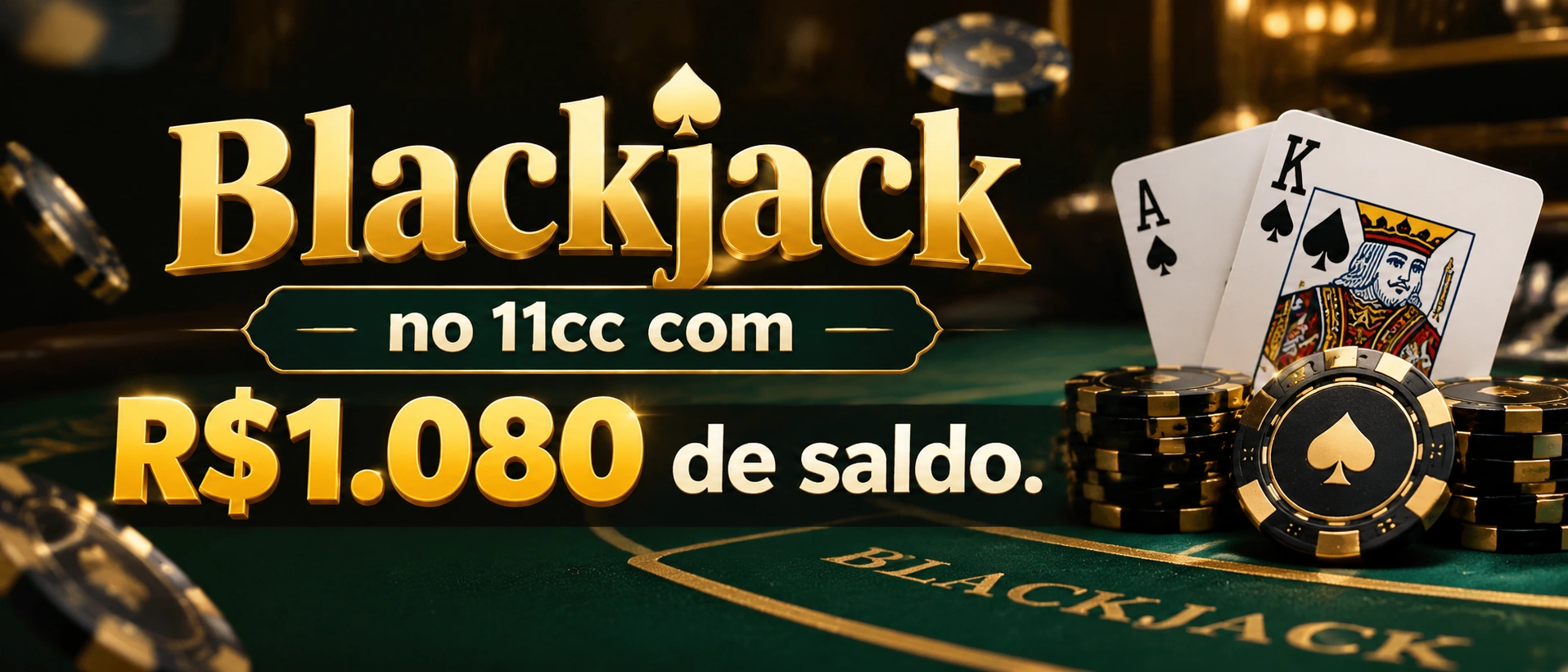
When comparison needs to be calmer, table games help you look at dynamics, pace, and type of decision. 11cc treats this topic as contextual reading, not as a shortcut.
How to read the table with more attention
In table games, it is worth first observing the flow of each round before thinking about any preference. Instead of looking for a quick answer, the reader can notice how the rules organize the sequence of action, which choices appear more often, and where attention needs to be maintained for longer. This kind of reading helps separate the feeling of control from a real understanding of the dynamics, which is useful for anyone who wants to compare options more clearly.
Another practical point is noticing that not every table requires the same kind of concentration. Some call for more frequent decisions and continuous analysis, while others leave longer intervals between one action and the next. Understanding this difference avoids comparing experiences that work in very different ways. On 11cc, this view serves to show that the table is not a single block, but a set of formats with their own rhythms and distinct forms of participation.
It also makes sense to look at the relationship between simplicity and depth. There are table games in which the rules seem straightforward, but the reading of the round changes a lot depending on position, timing, and the previous sequence. In others, the structure is more open to interpretation, which changes the way the game is followed. For the reader, this means the evaluation should not stop at the initial appearance, because practical experience usually reveals layers that do not show up right away.
When the goal is comparison, it helps to divide the observation into smaller parts: pace, number of decisions, level of attention, and sense of continuity. This breakdown makes the analysis more organized and reduces the chance of mixing general impressions with important details. Instead of trying to sum everything up in a single idea, the best approach is to notice how each table guides participation and how that affects the reading of the game over time.
Another useful reading is to think of table games as an experience of following along, not just of outcome. This shifts attention to the process, to the way the round unfolds, and to how choices connect. This stance is usually more consistent for those who want to understand the category without exaggerating expectations. In this way, comparison becomes more objective and less dependent on rushed impressions.
Finally, the category gains value when the reader understands that the interest is not only in the theme or the game’s tradition, but in the way it organizes time, decision-making, and observation. This more direct view matches 11cc’s proposal of explaining board games without beating around the bush, with a focus on context and practical reading. The clearer this foundation is, the easier it becomes to navigate between different formats without confusing style with performance.




 First contact with 11cc